
Solution Tree logo
555 North Morton Street
Bloomington, Indiana 47404
phone 800.733.6786 | fax 812.336.7790
solution-tree.com
 
40 Reading Intervention Strategies for K-6 Students: Research-Based Support for RTI
Order today!
40 Reading Intervention Strategies for K–6 Students:
Research-Based Support for RTI


Struggling students need a different kind of instruction, more time, and ample amounts of guided practice to help them become confident readers. The interventions in 40 Reading Intervention Strategies for K–6 Students are designed for general educators to use with individuals or small groups of students who simply cannot keep up with the pace of instruction. All of the interventions are grounded in research. The author provides:
  • Ways to teach more vocabulary in less time, resulting in greater understanding and retention
  • More than 30 sample lessons with step-by-step instructions and teaching formats that include modeling, ways to build in student practice, and suggestions for keeping students engaged
  • Strategies for thinking aloud to scaffold challenging comprehension skills such as inferencing, summarizing, and monitoring
  • Grade-level notations to help determine which strategies work best at specific grade levels
  • A topical table of contents to help you find strategies by subject

TABLE OF CONTENTS

Introduction
Part 1: Interventions for Improving Instruction
    Intervention 1: Implementing Research-Based Instruction for Intervention Groups (Grades K–6)
    Intervention 2: Reducing Cognitive Load and Increasing Cognitive Processing (Grades K–6)
    Intervention 3: Practicing Beyond Perfection (Grades K–6)
    Intervention 4: Teaching Task Engagement, Time Management, and Self-Control (Grades K–2)
Part 2: Interventions for Building Phonemic Awareness
    Intervention 5: Blending Sounds to Make Words (Grades K–1)
    Intervention 6: Segmenting Words Into Sounds (Grades K–1)
Part 3: Interventions for Building Word Identification Skills
    Intervention 7: Mastering Letter-Sound Correspondences (Grades K–1)
    Intervention 8: Reading Regular Words (Grades K–2)
    Intervention 9: Reading Irregular (Exception) Words (Grades K–3)
    Intervention 10: Facilitating Advanced Word Reading (Grades 2–6)
    Intervention 11: Reading Decodable Books (Grades K–1)
    Intervention 12: Building Mental Orthographic Images for Keywords or Frequently Misread Words (Grades 2–6)
Part 4: Interventions for Building Fluency
    Intervention 13: Crossing the Fluency Bridge (Grades 1–3)
    Intervention 14: Facilitating Fluency in Your Reading Groups (Grades 1–2)
    Intervention 15: Structuring Repeated Oral Reading Activities Using Prosody as a Motivator or
    Indicator of Text Comprehension (Grades 3–6)
    Intervention 16: Choosing Books for Independent Reading (Grades 3–6)
    Intervention 17: Teaching the Fastest Way to Read Words (Grades 3–6)
Part 5: Interventions for Building Vocabulary
    Intervention 18: Using Context to Infer Word Meanings (Grades 2–6)
    Intervention 19: Teaching More Vocabulary Every Day (Grades 2–6)
    Intervention 20: Using Read-Alouds to Teach New Words (Grades K–2)
    Intervention 21: Organizing Vocabulary for Understanding and Retention (Grades 4–6)
    Intervention 22: Writing Sentences to Show You Know (Grades 4–6)
    Intervention 23: Teaching Contextual Information About Words (Grades 4–6)
    Intervention 24: Facilitating Content Vocabulary Instruction (Grades 4–6)
    Intervention 25: Playing the Word Power Game (Grades 4–6)
Part 6: Interventions for Facilitating Comprehension
    Intervention 26: Scaffolding Grade-Level Reading Texts for Struggling Students (Grades 3–6)
    Intervention 27: Teaching the Seven Cognitive Strategies of Highly Effective Readers (Grades 3–6)
    Intervention 28: Teaching Students About Inferences (Grades 3–6)
    Intervention 29: Teaching Pronouns to Improve Inferential Comprehension (Grades 2–6)
    Intervention 30: Thinking Aloud to Teach Inference (Grades 3–6)
    Intervention 31: Facilitating Cooperative Comprehension (Grades 3–6)
    Intervention 32: Mastering the Five Cs of Summarizing (Grades 4–6)
    Intervention 33: Using Graphic Organizers to Summarize Stories (Grades K–2)
    Intervention 34: Teaching Students How to Monitor Their Silent Reading Comprehension (Grades 4–6)
    Intervention 35: Coding Text to Improve Comprehension (Grades 4–6)
    Intervention 36: Asking and Answering Questions (Grades 3–6)
    Intervention 37: Previewing Text to Improve Comprehension (Grades 3–6)
Part 7: Interventions for Teaching Students to Read a Lot
    Intervention 38: Teaching Reading a Lot (Grades K–2)
    Intervention 39: Facilitating REAL Reading in the Classroom (Grades 1–3)
    Intervention 40: Teaching Reading a Lot (Grades 4–6)
Glossary
References


REPRODUCIBLES

Color PDFs

Show You Know
Sample Concept Map
Word Power Guidelines
Four Sources of Evidence on Which to Base an Inference
Text for Pronoun Practice Lesson
Student Thinksheet
Cooperative Comprehension Form
Text for Cooperative Comprehension Lesson
The Five Cs of Summarizing
Graphic Organizer for the Five Cs
Clarifying Tools
Sample Text from Murphy's Mansion
Blank Question-Answer Quadrant
Checklist for Setting Up a Program for Reading a Lot
Student Directions for Choosing a Comfort Zone Book


Black and White PDFs

Show You Know
Sample Concept Map
Word Power Guidelines
Four Sources of Evidence on Which to Base an Inference
Text for Pronoun Practice Lesson
Student Thinksheet
Cooperative Comprehension Form
Text for Cooperative Comprehension Lesson
The Five Cs of Summarizing
Graphic Organizer for the Five Cs
Clarifying Tools
Sample Text from Murphy's Mansion
Blank Question-Answer Quadrant
Checklist for Setting Up a Program for Reading a Lot
Student Directions for Choosing a Comfort Zone Book
ABOUT THE AUTHOR
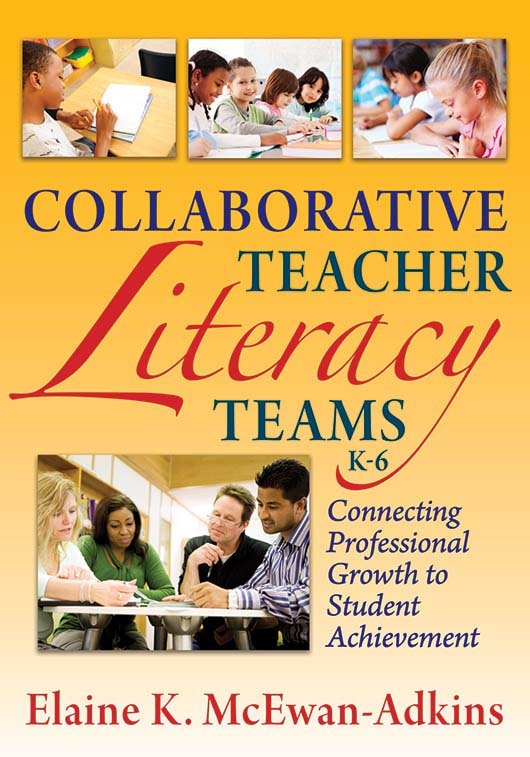
Elaine McEwan-Adkins